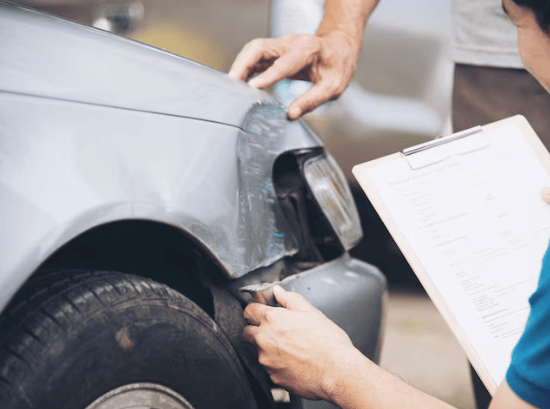
Driving on Pennsylvania roads—whether navigating the busy streets of Philadelphia, commuting through Pittsburgh, or traveling across Interstate 80—requires a clear understanding of the Commonwealth’s unique auto insurance laws. Pennsylvania operates under a hybrid legal structure combining a choice no-fault system with mandatory liability coverage and first-party medical benefit requirements.
While fulfilling state minimum requirements legally permits you to drive, relying strictly on baseline coverage can expose your personal assets to devastating financial liability following a major accident. In this comprehensive guide, we examine Pennsylvania’s legal liability requirements, the critical distinction between Full Tort and Limited Tort, the risks of state minimums, and how to choose optimal coverage limits.
Mandatory Auto Insurance Requirements in Pennsylvania
Under Pennsylvania law (75 Pa.C.S. § 1786), all registered motor vehicle owners must continuously maintain financial responsibility. Your policy must meet or exceed state minimums across three core components: Bodily Injury Liability, Property Damage Liability, and First-Party Medical Benefits.
Coverage TypePennsylvania Statutory Minimum RequirementWhat It ProtectsBodily Injury Liability (Per Person)$15,000Pays for medical expenses, loss of income, and legal defense for one person injured in a crash you cause.Bodily Injury Liability (Per Accident)$30,000Cap on total bodily injury payouts for all injured parties in a single accident.Property Damage Liability$5,000Pays to repair or replace another person's vehicle or damaged physical property.First-Party Medical Benefits (FPB / MedPay)$5,000Covers immediate medical treatment for you and your passengers, regardless of who caused the accident.
Alternatively, Pennsylvania allows insurance carriers to satisfy these requirements by issuing a Combined Single Limit (CSL) of $35,000, which pools bodily injury and property damage into one overall limit per accident.
Pennsylvania's Choice No-Fault System: Full Tort vs. Limited Tort
Pennsylvania is one of only three states (alongside New Jersey and Kentucky) operating under a Choice No-Fault system. When purchasing auto insurance, policyholders must select a tort option that dictates their legal right to sue an at-fault driver for non-monetary damages:
1. Limited Tort Option
Selecting Limited Tort reduces your insurance premium. However, in exchange for lower rates, you surrender your legal right to sue an at-fault driver for pain, suffering, and emotional distress unless your injuries meet the statutory threshold of a "serious injury" (defined by law as permanent disfigurement, severe impairment of a bodily function, or death). Under Limited Tort, you can still recover out-of-pocket medical bills and lost wages exceeding your First-Party Medical Benefits.
2. Full Tort Option
Selecting Full Tort carries a higher premium but preserves your unrestricted legal rights. If you or covered family members are injured by an at-fault driver, Full Tort allows you to seek compensation for all medical bills, lost wages, and financial recovery for pain and suffering, regardless of the severity of the injury.
Why Pennsylvania's 15/30/5 State Minimums Are a Financial Risk
Pennsylvania's property damage minimum limit of $5,000 is tied for the lowest in the United States. Given that the average price of a new vehicle exceeds $48,000, causing a collision that totals even a standard modern sedan will immediately exhaust your $5,000 property damage limit.
Example Scenario: If you cause a crash resulting in $25,000 of vehicle repairs for the other driver and you carry Pennsylvania minimum limits ($5,000 Property Damage), your insurer pays only $5,000. You remain personally liable for the remaining $20,000 balance, which can lead to wage garnishment, asset liens, or personal bankruptcy.
Similarly, a $15,000 bodily injury limit per person can be consumed by a single emergency room visit or minor surgical procedure. Once policy limits are reached, the insurance carrier's legal obligation to pay ends, leaving your personal assets vulnerable.
Recommended Liability Coverage Limits for Pennsylvania Drivers
Insurance professionals strongly advise selecting liability limits that reflect your personal net worth and income potential rather than adhering to statutory minimums. Standard recommendations for adequate financial protection include:
100/300/100 Coverage: $100,000 Bodily Injury per person, $300,000 Bodily Injury per accident, and $100,000 Property Damage. Recommended for homeowners and individuals with steady income.
250/500/100 Coverage: $250,000 Bodily Injury per person, $500,000 Bodily Injury per accident, and $100,000 Property Damage. Ideal for high-net-worth individuals or drivers seeking to pair auto policies with a Personal Umbrella Policy.
Uninsured/Underinsured Motorist (UM/UIM) Coverage: While optional in Pennsylvania, carrying stacked UM/UIM limits matching your liability limits protects you if you are struck by an uninsured driver (approximately 11% of PA motorists) or a driver with inadequate coverage.
Penalties for Driving Without Insurance in Pennsylvania
The Pennsylvania Department of Transportation (PennDOT) tracks insurance compliance electronically. Allowing your policy to lapse triggers severe penalties under state law:
Mandatory Fines: A minimum civil fine of $300.
Suspension of Driving Privileges: A 3-month suspension of your driver's license.
Registration Suspension: A 3-month suspension of your vehicle's registration.
Restoration Fees: Payment of reinstatement fees to PennDOT to restore your license and registration status.
Vehicle Impoundment: Law enforcement may impound an uninsured vehicle driven on public roadways.
Frequently Asked Questions (FAQ)
Does Pennsylvania require uninsured motorist coverage?
No. Uninsured and Underinsured Motorist (UM/UIM) coverage is not legally mandatory in Pennsylvania. However, insurers must offer it, and drivers must sign a formal written rejection form if they decline this coverage.
What is stacked vs. unstacked coverage in Pennsylvania?
If you insure multiple vehicles under your policy, stacking allows you to multiply your UM/UIM limits by the number of vehicles insured (e.g., $100,000 limit across 3 vehicles becomes $300,000 in total coverage per accident). Unstacked coverage keeps limits fixed at single-policy levels.
Can I lower my Pennsylvania auto insurance rate legally?
Yes. Drivers can lower premiums by opting for Limited Tort, increasing deductibles on comprehensive and collision coverages, bundling auto and homeowners policies, or completing a PennDOT-approved mature driver improvement course (for policyholders aged 55 and older).
Protect Your Financial Security Today
Understanding Pennsylvania’s auto insurance laws is essential to protecting your assets, avoiding state penalties, and ensuring peace of mind. While state minimums allow you to drive legally, upgrading to higher liability limits and choosing the appropriate tort option safeguards your future against unexpected financial liability.
Take action today: Compare personalized Pennsylvania auto insurance quotes online to find maximum coverage at competitive rates!